The HP Envy 13’s BIOS recovery key combination — Windows logo key and V held during startup — triggers HP Sure Start, the hardware-level BIOS recovery feature built into the laptop’s firmware chip. This method works even when Windows refuses to boot and the BIOS setup screen is inaccessible. This guide explains when to use it, what to expect during the process, and how to prepare a USB recovery drive if the key combination alone is insufficient.
Step 1 – When to Use the Windows + V BIOS Recovery
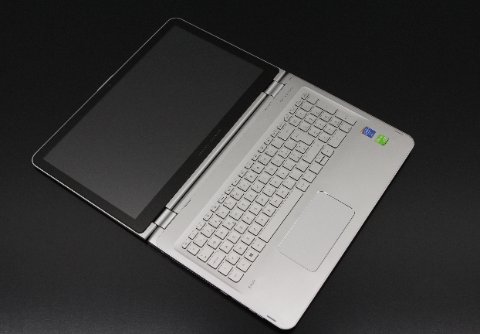
- Use this method when the HP Envy 13 shows a black screen on startup without reaching the HP logo, or immediately powers off after pressing the power button.
- Use it when BIOS update software has corrupted the firmware mid-flash (power loss, software crash, or interrupted update).
- This key combination is NOT for recovering Windows — it only restores the BIOS firmware itself. Windows recovery uses a different process.
- If the laptop still shows the HP logo and enters the BIOS setup screen (F10), the BIOS is functional and this process is not needed.
Step 2 – Perform the Windows + V Key BIOS Recovery
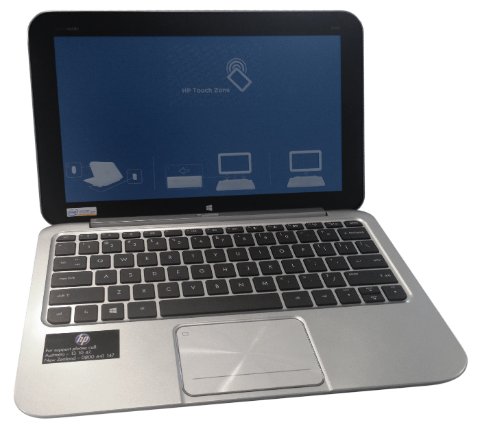
- Ensure the HP Envy 13 is plugged into AC power. The battery alone may not provide enough power for the reflash process.
- Fully shut down the laptop — do not use restart or hibernate.
- Press and hold the Windows logo key and the V key simultaneously. While holding both keys, press the power button once.
- Continue holding the Windows + V keys until a screen appears showing a BIOS Recovery message, a progress bar, or flashing LED patterns. Release the keys at this point.
- The recovery process typically takes 3–7 minutes. Do not press any keys or unplug the laptop during this time.
- The laptop reboots automatically when recovery is complete. It boots to Windows normally if BIOS restoration was successful.
Per HP’s support documentation, “HP Sure Start is a self-healing BIOS that continually authenticates the BIOS against a safe copy stored in a protected area of the firmware chip. If corruption is detected, Sure Start automatically restores the BIOS without user intervention.”
Step 3 – If Windows + V Does Not Work — Prepare a USB Recovery Drive
- On a working computer, go to support.hp.com and enter your HP Envy 13’s model number.
- Navigate to Drivers > BIOS and download the most recent BIOS file for your model. The filename ends in .bin.
- Insert a USB drive formatted as FAT32. Copy the .bin file to the root of the USB drive (not inside a folder).
- Rename the file to HPBIOS.bin exactly (case-sensitive on some models — verify the exact filename in HP’s BIOS recovery guide for your variant).
- Insert the USB drive into the HP Envy 13, then repeat the Windows + V + Power procedure from Step 2. The laptop detects the USB BIOS file and uses it if the internal recovery image is also corrupted.
Step 4 – Verify BIOS Version After Recovery
- After the laptop boots into Windows, press F10 during startup to enter BIOS setup, or check BIOS version from Windows via System Information (run
msinfo32). - Compare the BIOS version shown against the latest version listed on HP Support. If the restored version is outdated, update via HP Support Assistant in Windows while on stable AC power.
Frequently Asked Questions
My HP Envy 13 still does not turn on after the Windows + V recovery attempt — what next?
Try a hard reset first: disconnect AC power, hold the power button for 15 seconds, then reconnect power and try the Windows + V method again. If the laptop remains unresponsive, the firmware chip may have a hardware fault requiring HP service center repair.
Is the Windows + V method specific to the HP Envy 13?
This combination works on many HP laptops with HP Sure Start (Envy, Spectre, EliteBook, ProBook series). Some older HP models use different combinations. Always verify the exact recovery key sequence in your model’s Service Guide or HP support page.
Can I perform this BIOS recovery without AC power?
HP recommends AC power. A low or dying battery could cause the flash process to fail mid-write, which can deepen the corruption. If AC power is unavailable, ensure the battery is above 50% before attempting.
Will BIOS recovery erase my Windows installation or personal files?
No. BIOS recovery only rewrites the firmware chip contents. Windows, applications, and personal files on the SSD are not affected by this process.
Conclusion
The Windows logo key + V key combination on the HP Envy 13 is a hardware-level BIOS recovery trigger built on HP’s Sure Start technology. It requires no bootable USB in most cases and completes in under 10 minutes while connected to AC power. For cases where the internal recovery image is itself corrupted, preparing a USB drive with the correct .bin BIOS file from HP Support provides a secondary rescue path. After recovery, verify the restored BIOS version and update if necessary using HP Support Assistant.
Leave a Reply